

TU Berlin Cracks a Major Silicone Recycling Challenge
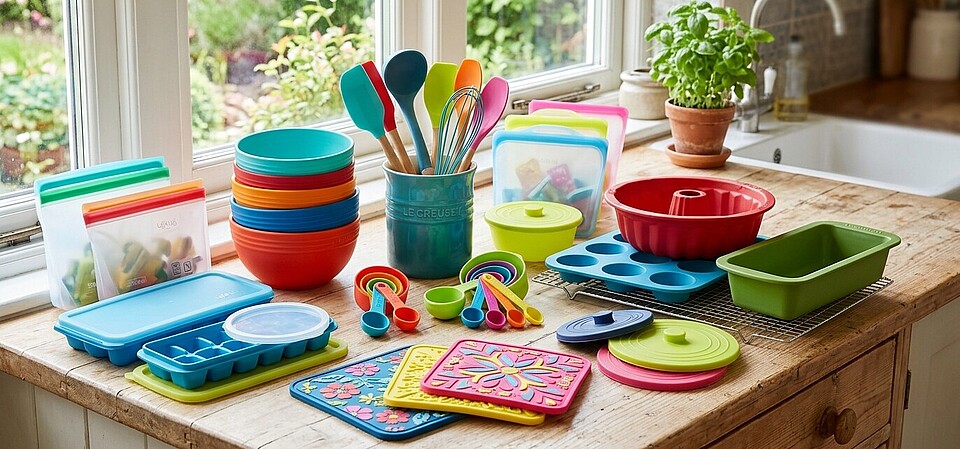
Researchers at the Institute of Chemistry at TU Berlin have now succeeded in breaking down the polymer chains of silicone molecules into their basic building blocks. (AI generated picture)
Researchers at TU Berlin have achieved a breakthrough that could make silicone recycling far more effective. According to a press release from the university, the team has developed a process that breaks silicone polymers down into their original chemical building block, allowing the material to be reused for the production of new silicones.
Silicones are found in countless products, from baking molds and baby bottle nipples to seals and medical tubing. Their durability, thermal stability and resistance to chemicals make them highly valuable, but those same properties have also made recycling difficult. Until now, used silicone has often been sent to landfill, incinerated or turned into lower-quality materials.
The research team led by Professor Martin Oestreich at TU Berlin succeeded in converting silicone waste back into dimethyldichlorosilane, a key starting material in silicone production. The process uses a silylium ion catalyst together with phosgene released from triphosgene during the reaction. According to the researchers, the method operates under moderate conditions at 80 degrees Celsius and requires little additional energy.
Tests on everyday silicone products delivered promising results. In some cases, the recovery rate of dimethyldichlorosilane reached 99 percent after 24 hours. A mixed batch of used silicone products achieved a recovery rate of 86 percent.
The findings were published in Nature and a patent application has already been filed. With the global silicone market exceeding €21 billion in 2025 and expected to grow further, the discovery could support circular economy goals and help reduce the environmental impact of silicone production and disposal.