

Berlin Trio Builds Next-Gen Battery for Satellites
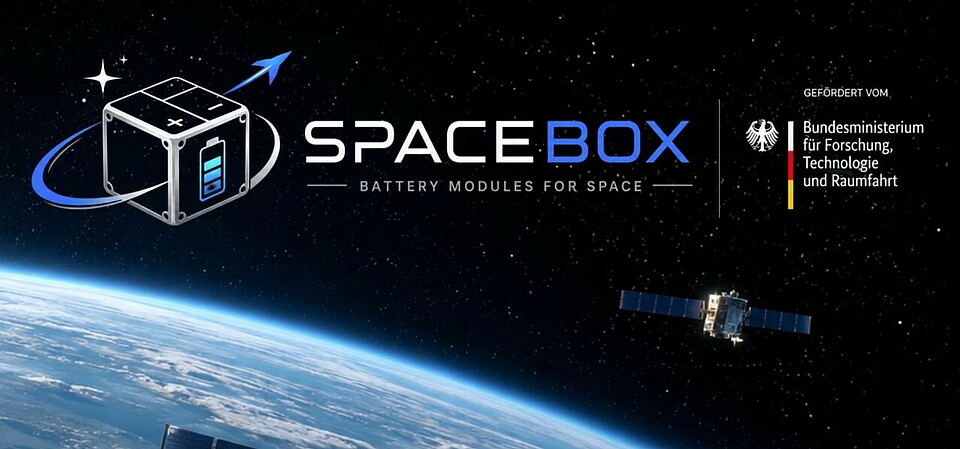
theion, Space Structures and TU Berlin aim to develop an innovative battery module for the billion-dollar satellite market.
Three Berlin-based organizations have joined forces on a project that could change how satellites store energy. Battery innovator theion, engineering firm Space Structures, and TU Berlin are collaborating on "Spacebox," a 30-month initiative co-funded by Germany's Federal Ministry for Research, Technology and Space with €2.6 million. The project kicked off on June 1, 2026.
At the heart of it is theion's crystalline lithium-sulfur technology. Unlike conventional lithium-ion batteries, it targets up to three times higher energy density while avoiding nickel and cobalt entirely. Instead, it uses sulfur, a widely available material. For satellite operators, that means more power without the extra mass — a critical factor when every gram affects launch costs and mission performance.
The timing is sharp. As reported by CHEMEUROPE, the global satellite market was valued at USD 15.68 billion in 2025 and is projected to nearly triple to USD 46.79 billion by 2031. Demand for lightweight, high-performance onboard power systems is growing fast alongside it.
TU Berlin brings its satellite development expertise, including the InnoCube orbital mission, to handle battery management systems. Space Structures contributes its track record in lightweight structural and thermal design for space hardware.
The goal: a fully integrated battery module where cells, smart management, and structure are engineered as one unit from day one. Berlin is making a strong case for its role in the future of space technology.